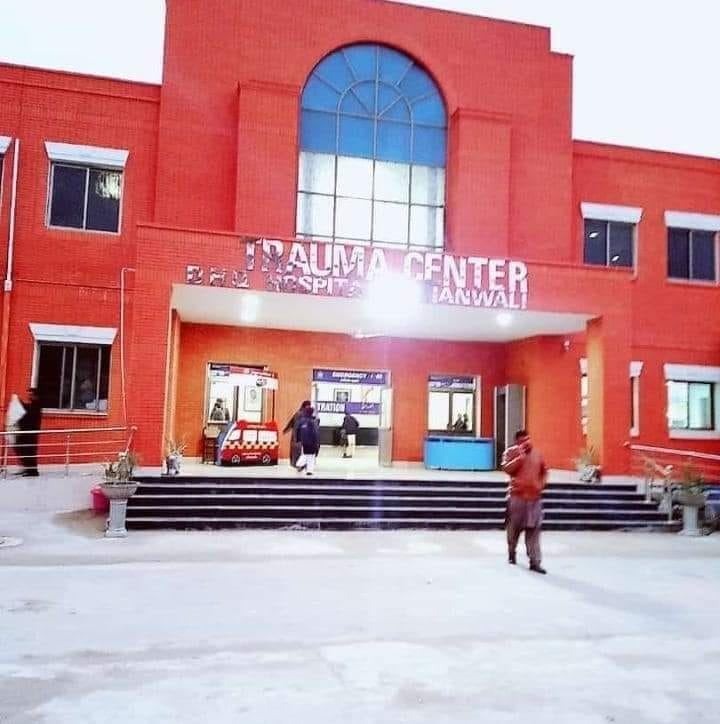
Health sector — Sargodha Division
Four districts — Sargodha, Bhakkar, Khushab, Mianwali — facility overview, major DHQ hospitals, and Punjab health budget context.
Facilities (division total)
Total675Sargodha Division has a total of 675 hospitals and health facilities across its 4 districts.
Major categories below sum to 505; additional primary and auxiliary units bring the full census to 675 (per division reporting).
This data is for the entire Sargodha Division (4 districts).
Facility breakdown by type and district
| Facility type | Division total | Sargodha | Bhakkar | Khushab | Mianwali |
|---|---|---|---|---|---|
| DHQ Hospitals | 04 | 01 | 01 | 01 | 01 |
| THQ Hospitals | 13 | 7+ | 03 | 04 | 02 |
| RHCs (Rural Health Centers) | 33 | 12 | 08 | 05 | 10 |
| BHUs (Basic Health Units) | 237 | 117 | 40 | 40 | 40+ |
| Govt. Rural Dispensaries | 72 | 17 | 20 | 18 | 20+ |
| MCH Centres (Mother & Child Health) | 56 | 19 | 2–10 | 12 | 11 |
| Sub Health Centers | 90 | 34 | 22 | 5–18 | 16 |
| Sum of categories (listed) | 505 | — | |||
Division-wide facility total: 675. Ranges (e.g. 40+, 2–10, 5–18) reflect district-profile wording.
Facility types — division counts (chart)
BHUs by district (chart)
Mianwali shown as 40 (40+ in source).
District Headquarters Hospital (DHQ) Sargodha
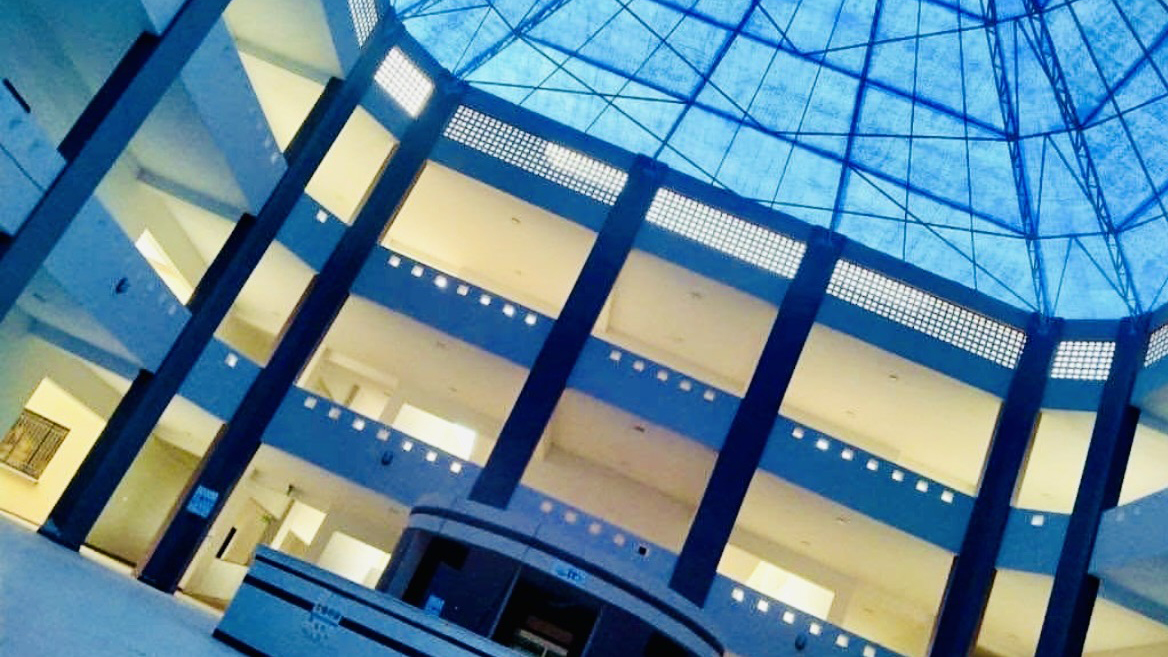
600+ up to 800 beds tertiary care facility; primary referral centre with significant overload (~120% capacity utilization). Authorized 800 beds (≈700 operational). Serves ~2.4 million catchment population.
Bed breakdown (major wards): Surgical 120, Medical 200, Gynecology 80, Pediatrics 100, Emergency/Trauma 150, ICU/CCU 60 — plus ENT, Eye, TB/Chest, Urology, and specialized units.
28+ departments: General Medicine (2 units), General Surgery (2 units), Gynecology & Obstetrics, Pediatrics, Cardiology, Orthopedics, Ophthalmology, ENT, TB/Chest Diseases, Dermatology, Psychiatry, Urology, Nephrology, Gastroenterology, Neurology, Pulmonology, Emergency Medicine, Anesthesia.
Support / specialized (10+): Radiology (CT/MRI/X-Ray), Pathology/Laboratory, Pharmacy, Blood Bank, Dialysis (20 machines), Operation Theatres (8), Labor Room, Physiotherapy, Burn Unit, Isolation Wards (COVID/Dengue).
Administrative / ancillary: Admin Block, Medical Education (affiliated with Sargodha Medical College), Records Management, Kitchen/Laundry, Mortuary.
Key stats: ~1,200 OPD patients daily, ~250 IPD admissions, ~4,500 surgeries annually; ~52% specialist vacancies (March 2026). In short: 800 authorized beds (700 operational), 28+ departments, Medicine 200 beds, Surgery 120, Emergency 150, 8 OPDs, ICUs 60; ~52% specialist gaps and ~45% stockouts.
Major ward beds (table)
| Unit / Ward | Beds |
|---|---|
| Surgical Ward | 120 |
| Medical Wards | 200 |
| Gynecology | 80 |
| Pediatrics | 100 |
| Emergency / Trauma | 150 |
| ICUs / CCUs | 60 |
| Authorized total | 800 |
Beds by major ward (chart)
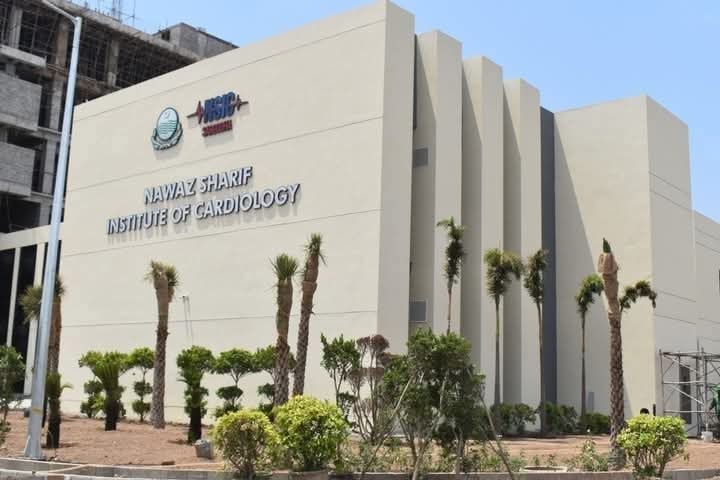
Nawaz Sharif Institute of Cardiology (Sargodha)
Up to 177 beds planned; construction not fully complete; OPD fully operational. After completion: 156 general, 17 private, 04 VIP suites. Site ~465,000 sq ft (215,528 sq ft covered), adjacent to DHQ Sargodha; serves ~4–8 million across Sargodha Division. Rs. 4.5 billion PSDP; OPD operational by early 2026.
Core cardiac services
- Emergency Department
- OPD + Pharmacy; Non-Invasive Cardiology (ECG, Echo, Stress Test)
- Catheterization Laboratory (Cath Lab)
- Operation Theatres (dedicated cardiac surgeries)
- Pathology Labs + Blood Bank
- Radiology (X-Ray, specialized imaging)
Support infrastructure
- CSSD (Central Sterile Supply), Mortuary, Administration Block
- Cafeteria/Kitchen, Masjid, Lab Collection Centers
Punjab health budget (context)
| Item | Amount |
|---|---|
| Punjab health sector (total) | Rs. 630.5B |
| Development (ADP) | Rs. 181–182B |
| Non-development (Non-ADP) | Rs. 450B |
| District-level hospitals (allocation band) | Rs. 50–70B |
| Nawaz Sharif Institute of Cardiology (project) | Rs. 4.5B |
The division receives its share from these provincial envelopes.
DHQ Hospital Bhakkar
Main secondary care facility for Bhakkar District (~1.9 million population).
Key information
- Established: 1986
- Bed strength: 333 (official sanctioned capacity)
- Location: Bhakkar City (district headquarters)
- Annual OPD: ~600,000 (2015–16 baseline; likely higher now)
- Doctors: 62 qualified specialists
- Nursing staff: 93 professional nurses
Major wards & facilities
- Emergency (24/7)
- General Medicine, Surgical, Gynecology, Pediatrics wards
- OPD clinics (major specialties)
Challenges (2018 audit)
- High patient load — bed shortages at peak times
- Primary referral for rural and urban Bhakkar
- Teaching role for local medical colleges
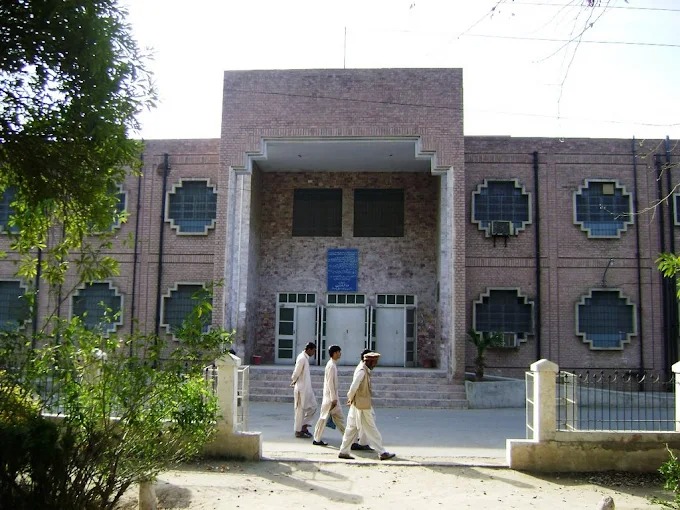
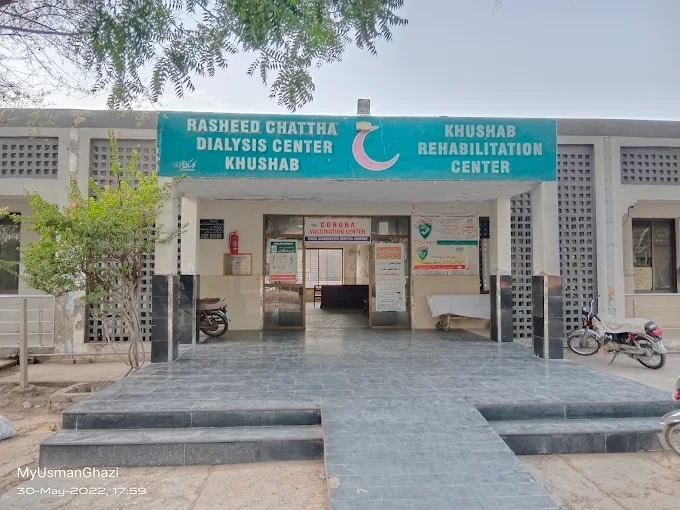
DHQ Hospital Khushab
Main secondary care facility for Khushab District (~1.05 million population).
Key information
- Established / current site: 2000 (shifted 14 Dec 2000)
- Bed strength: 140 (adjusted from original 125)
- Location: Khushab City / Jauharabad
- Role: Primary referral for Khushab District
- Status: Revamping / upgradation (IDAP programme)
Major wards & facilities
- Emergency (24/7), Medicine, Surgical, Gynecology, Pediatrics
- ICU; Dialysis unit (5-bed expansion planned)
- OPD clinics (major specialties)
Ongoing upgrades (2023–2026)
- General wards; ICU/CCU expansion; OT modernization
- Emergency upgrade; Gynecology enhancement
DHQ Hospital Mianwali
Serves Mianwali District (~1.7 million); 300 beds; area ~260,000 sq ft. Serves border areas toward Khyber Pakhtunkhwa and Attock. Recently upgraded per IDPA (Infrastructure Development Authority Punjab).
Specialized wards & clinical departments
- Cardiac, Emergency, Orthopedic
- Modular operation theatres; minor procedure rooms
- Trauma Center; CCU; ICU
Diagnostic & support
- Diagnostic centre: laboratory, CT, X-ray, ultrasound, ECG
- Pathology laboratory, Blood Bank, Pharmacy
Special features
- Modern emergency services; infection control
- High-capacity dialysis unit planned
- Regional referral role